
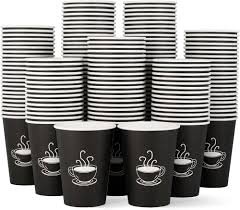
Coffee shop cups are one of the most frequently used supplies in any café. Whether you’re opening a new coffee shop or trying to improve inventory planning for an established business, knowing how many cups to order each month can help you control costs and avoid running out during busy periods.
The exact number of cups a coffee shop needs depends on customer volume, operating days, drink sales, and the types of beverages on the menu. A small independent café may use a few thousand cups per month, while a busy coffee shop can require tens of thousands.
Here’s how to estimate the right amount for your business.
Coffee Shop Cups: How to Calculate Monthly Usage
A simple way to estimate your monthly cup requirements is:
Average drinks sold per day × number of operating days = estimated cups needed per month For example, if your coffee shop sells 200 drinks per day and operates 30 days per month:
200 × 30 = 6,000 cups per month
However, you should generally keep additional inventory available for busy days, unexpected demand, damaged cups, and seasonal increases. Adding approximately 10% extra stock would bring the example above to around 6,600 cups.
Monthly Cup Estimates by Coffee Shop Size
Every café is different, but estimating based on daily beverage sales can give you a useful starting point.
| Drinks Sold Per Day | Approximate Monthly Cups |
| 50 | 1,500 |
| 100 | 3,000 |
| 200 | 6,000 |
| 300 | 9,000 |
| 500 | 15,000 |
| 750 | 22,500 |
| 1,000 | 30,000 |
These estimates assume the business operates 30 days per month and that each drink requires one disposable cup. Your actual usage may be lower if many customers use reusable mugs or dine in with ceramic cups.
Consider Different Coffee Cup Sizes
Choosing the right coffee shop cups in each size helps cafés match inventory with actual customer demand. Knowing your total monthly usage isn’t enough. Coffee shops typically need several different cup sizes.
Depending on your menu, you may stock:
- Small hot cups
- Medium hot cups
- Large hot cups
- Cold drink cups
- Specialty beverage cups
- Espresso cups
Look at your point-of-sale sales data to determine which sizes customers order most frequently. For example, if you need 6,000 cups per month, you shouldn’t automatically order 2,000 of three different sizes. If medium drinks represent most of your sales, your inventory should reflect that demand. Tracking actual sales by cup size can help prevent overstocking unpopular sizes while ensuring your most-used cups stay available.
Don’t Forget Lids and Other Beverage Supplies
Cups aren’t the only disposable products coffee shops need.
For every takeaway drink, you may also need:
Ideally, your lid inventory should closely correspond with the number and sizes of cups you expect to use. Buying cups without enough compatible lids can create just as much of an operational problem as running out of cups entirely.
Hot Cups vs. Cold Cups
Your coffee shop cups inventory should include the right balance of hot and cold cup options based on your menu. Your monthly order should also account for the types of beverages your customers purchase. Hot coffee, tea, lattes, cappuccinos, and other hot beverages generally require appropriate hot beverage cups and lids. Cold beverages such as iced coffee, iced tea, lemonade, smoothies, and specialty drinks require cold cups and compatible lids. Demand may also change throughout the year. A café could require more cold cups during warmer months and more hot cups during the winter. Reviewing previous sales can help you adjust your orders as seasons change.
Why Buying Coffee Shop Cups Wholesale Makes Sense
Ordering coffee shop cups wholesale can make regular inventory planning simpler and more cost-effective. Coffee shops use disposable cups every day, making them an ideal product to purchase in bulk.
Buying wholesale can help businesses:
- Reduce the cost per cup
- Maintain consistent inventory
- Reduce frequent restocking trips
- Prepare for high-volume periods
- Purchase matching lids and accessories together
Keeping sufficient inventory is particularly important during morning rushes, weekends, promotions, and special events when beverage sales can increase quickly.
How Much Extra Inventory Should You Keep?
Keeping extra coffee shop cups in stock can help prevent shortages during unexpected rushes or busy periods. Ordering exactly the number of cups you expect to sell leaves little room for unexpected demand. Consider keeping a reasonable buffer above your normal monthly requirements. For example, a café expecting to use 6,000 cups could maintain additional stock to cover unusually busy days or delays before the next restock.
At the same time, avoid purchasing excessive quantities if storage space is limited. Finding the right balance between backup inventory and available storage helps keep operations efficient.
Signs You’re Ordering the Wrong Amount of Cups
If you’re constantly placing emergency orders, borrowing supplies from another location, or changing cup sizes because you’ve run out, you may not be ordering enough. On the other hand, shelves filled with months of unused cups could indicate you’re ordering too much or purchasing the wrong sizes. Monitor monthly usage and adjust future orders based on actual sales rather than relying on the same quantity every month.
Why Choose NStar Cash & Carry for Coffee Shop Supplies?
Coffee shops can find essential supplies, including:
- Hot beverage cups
- Cold beverage cups
- Cup lids
- Coffee sleeves
- Napkins
- Disposable products
- Takeout packaging
- Grocery products
- Cleaning and janitorial supplies
Having access to multiple product categories from one supplier can simplify purchasing and make it easier to restock essential products.
Plan Your Monthly Coffee Shop Cup Order
So, how many cups does a coffee shop need per month? There isn’t one number that works for every business. A café selling 100 disposable drinks per day may need approximately 3,000 cups per month, while a location selling 500 per day may require around 15,000 cups. The best approach is to track your daily beverage sales, separate demand by cup size and type, and maintain additional inventory for unexpected increases.
By planning ahead and purchasing coffee shop cups and related supplies wholesale, cafés can reduce unnecessary restocking, manage inventory more effectively, and stay prepared for every customer.