

Blog
Complete Convenience Store Supplies Checklist

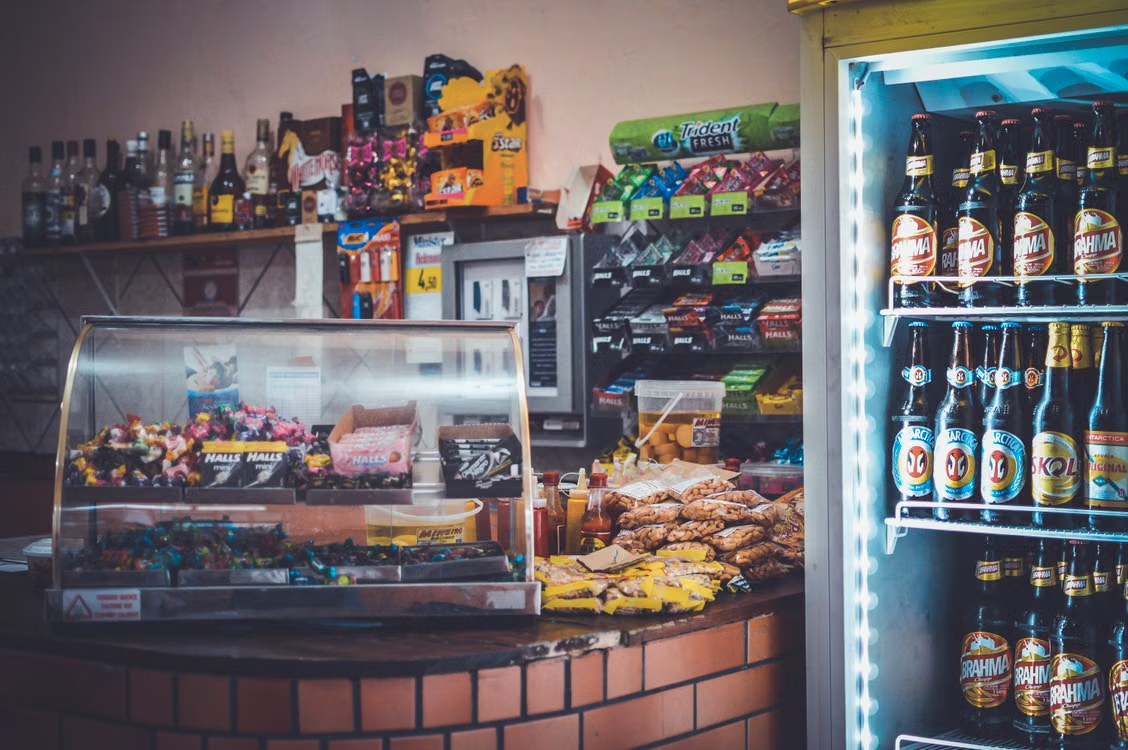
Convenience store supplies cover everything from the products customers purchase to the packaging, cleaning products, and everyday essentials needed to keep the store running smoothly. Whether you’re opening a new convenience store or restocking an established location, having the right inventory can help you stay organized and prepared for daily customer demand.
Convenience stores typically carry a wide variety of products, which can make inventory management challenging. Creating a complete supply checklist makes it easier to identify what you need, monitor stock levels, and avoid running out of popular items.
Here are 10 essential categories to consider when stocking your convenience store.
Convenience Store Supplies: What Does Your Business Need?
The exact products you need will depend on your store size, location, customer base, and product selection.
However, most convenience stores require a combination of:
- Beverages
- Snacks
- Grocery products
- Candy and confectionery
- Paper products
- Shopping bags
- Disposable products
- Cleaning supplies
- Janitorial products
- Store and office essentials
Let’s break down the major categories.
1. Beverages
Beverages are one of the most frequently purchased convenience store supplies and should be restocked based on customer demand.
Consider stocking a selection of:
- Bottled water
- Soft drinks
- Juice
- Energy drinks
- Sports drinks
- Iced tea
- Coffee
- Tea
- Other packaged beverages
Customer preferences can vary throughout the year, so monitor sales and adjust inventory based on demand.
Cold beverages may sell more quickly during warmer months, while hot beverage products may experience greater demand during colder weather.
2. Snacks
Convenience stores are a popular destination for quick snacks.
Common products may include:
- Chips
- Crackers
- Cookies
- Popcorn
- Nuts
- Granola bars
- Packaged pastries
- Other individually packaged snacks
Pay attention to which products sell fastest and give high-demand items enough shelf space.
3. Candy and Confectionery
Candy is another common convenience store category and can be particularly useful around checkout areas.
Depending on your customers, you may stock:
- Chocolate bars
- Gum
- Mints
- Hard candy
- Gummies
- Individually packaged sweets
Smaller products can often be displayed near the checkout area where they’re easy for customers to add to their purchases.
4. Grocery Products
Many customers visit convenience stores when they need basic grocery items without making a larger supermarket trip.
Useful grocery products can include:
- Rice
- Flour
- Sugar
- Salt
- Cooking oils
- Pasta
- Sauces
- Condiments
- Canned goods
- Spices and seasonings
- Other pantry essentials
Your grocery selection should reflect the needs of customers in your local area.
5. Coffee and Hot Beverage Supplies
If your convenience store offers self-serve coffee or other hot beverages, you’ll need more than coffee itself.
Your inventory may include:
- Coffee
- Tea
- Hot beverage cups
- Cup lids
- Coffee sleeves
- Sugar
- Sweeteners
- Creamers
- Stir sticks
- Napkins
Make sure cup and lid sizes are compatible before purchasing them in large quantities.
6. Disposable and Foodservice Products
Stores that sell prepared foods, baked goods, coffee, or other ready-to-eat products may need additional disposable supplies.
Consider keeping:
- Disposable cutlery
- Napkins
- Paper plates
- Bowls
- Portion cups
- Straws
- Food trays
- Takeout containers
The specific products you need will depend on the foods and beverages your store offers.
7. Shopping and Takeout Bags
Customers need a convenient way to carry their purchases.
Businesses may need different bag sizes depending on the products they sell. Paper bags can be useful for groceries, packaged products, takeout food, and other purchases.
When choosing bags, consider:
- Size
- Strength
- Handles
- Storage requirements
- Type of products being carried
- Applicable regulations
Keeping multiple sizes can prevent employees from using oversized bags for small purchases.
8. Cleaning Supplies
A clean store creates a better environment for both customers and employees.
Common commercial cleaning products include:
- All-purpose cleaners
- Glass cleaners
- Floor cleaners
- Disinfectants
- Hand soap
- Cleaning cloths
- Degreasers where needed
Different areas of your store may require different cleaning products, so always use products according to their labels and intended applications.
9. Janitorial and Paper Products
Cleaning chemicals aren’t the only products needed to maintain a store.
Keep essential janitorial products available, including:
- Garbage bags
- Paper towels
- Toilet tissue
- Mop heads
- Brooms
- Dustpans
- Mop buckets
- Cleaning brushes
- Wet floor signs
These products are used regularly, making them important items to monitor when checking inventory.
10. Office and Store Essentials
Don’t forget about the products needed behind the counter and in storage areas.
Depending on your operation, these may include:
- Receipt paper
- Labels
- Markers
- Pens
- Tape
- Storage products
- Garbage bags
- Paper products
- General office supplies
These products may not be sold to customers, but running out can still interrupt normal store operations.
How Much Inventory Should a Convenience Store Keep?
There isn’t one inventory quantity that works for every convenience store.
Start by tracking how quickly products sell or are used. High-volume products such as beverages, popular snacks, shopping bags, paper products, and cleaning supplies may require more frequent restocking.
Consider:
- Average weekly sales
- Available storage space
- Product shelf life
- Seasonal demand
- Delivery or restocking frequency
- Upcoming promotions
- Minimum inventory levels
Products with expiration dates should be monitored carefully so you’re not purchasing more than you can reasonably sell.
Benefits of Buying Convenience Store Supplies Wholesale
Convenience stores regularly purchase large quantities across several product categories, making wholesale purchasing useful for many everyday products.
Buying wholesale can help businesses:
- Maintain consistent inventory
- Reduce frequent purchasing trips
- Prepare for busy periods
- Purchase frequently used products in larger quantities
- Simplify purchasing
- Better manage cost per unit
The key is to purchase according to actual customer demand rather than simply buying the largest quantity available.
One Supplier for Multiple Convenience Store Supplies
Working with a supplier that carries multiple product categories can make inventory management easier.
Instead of purchasing beverages from one source, grocery products from another, and cleaning products somewhere else, businesses may be able to consolidate more of their regular purchases.
This can save time and make it easier to keep track of recurring supply needs.
Why Choose NStar Cash & Carry?
NStar Cash & Carry provides wholesale products for convenience stores, restaurants, cafés, bakeries, retailers, food trucks, and other businesses throughout Toronto and the Greater Toronto Area.
Convenience stores can find products across categories such as:
- Grocery products
- Beverages
- Snacks and everyday essentials
- Disposable products
- Food packaging
- Shopping and takeout bags
- Commercial cleaning supplies
- Janitorial products
- Paper products
- Office and warehouse supplies
With multiple business essentials available in one place, NStar Cash & Carry can help convenience store owners simplify regular purchasing and keep important products readily available.
Keep Your Convenience Store Fully Stocked
A complete convenience store supplies checklist should cover more than the products customers see on the shelves. Beverages, snacks, grocery products, disposables, shopping bags, cleaning products, janitorial supplies, and store essentials all contribute to smooth daily operations.
Review your inventory regularly, identify your fastest-moving products, and establish minimum stock levels for essential items. By purchasing frequently used products wholesale and working with a reliable supplier like NStar Cash & Carry, you can keep your store prepared for customers while making inventory management more efficient.